European Roulette in New Zealand: Rules and Odds
 Available in US
European roulette uses 37 pockets, and its single zero affects the odds, bet groups and payouts without predicting any individual spin.
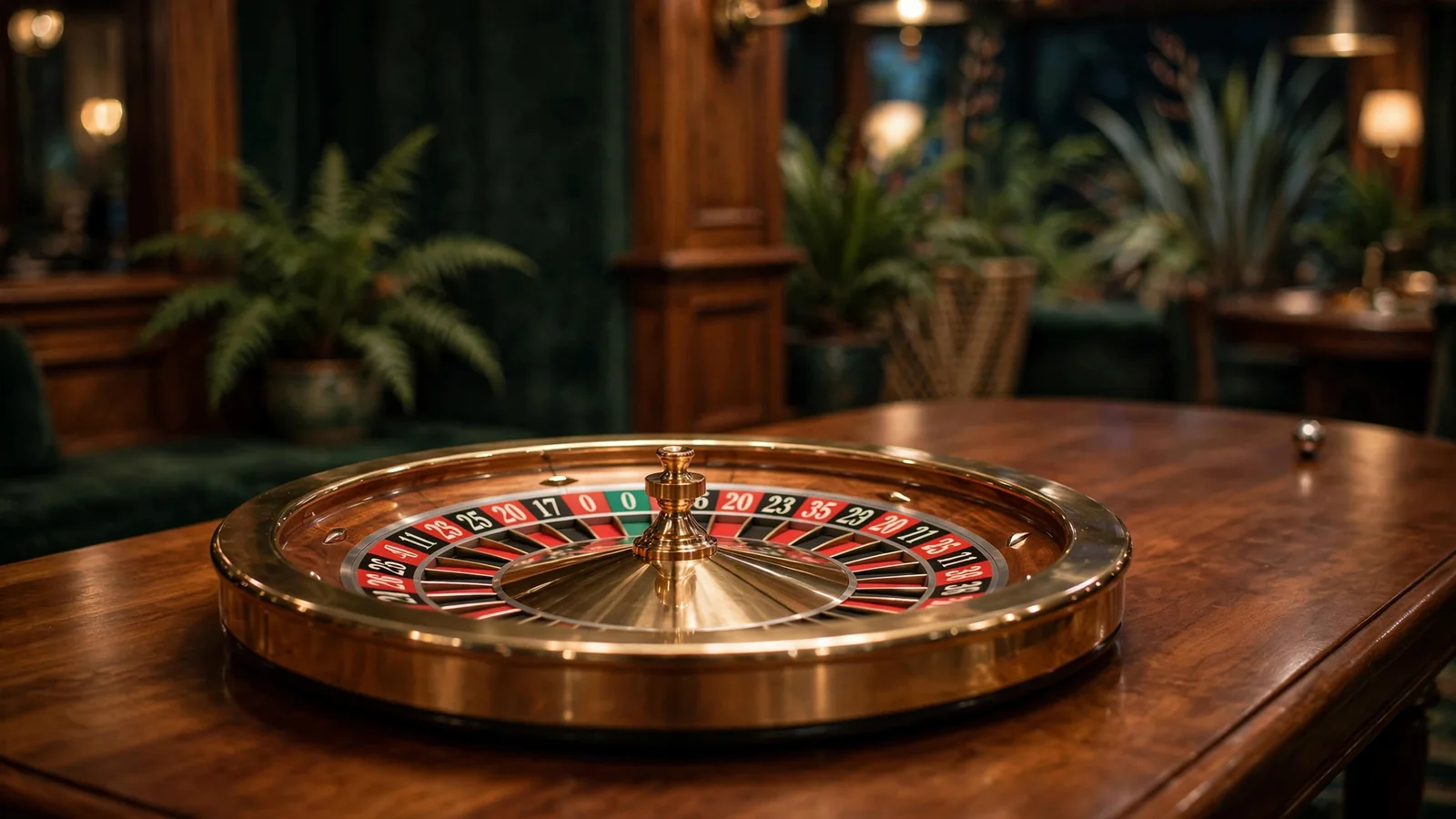
Table of Contents
- The Single Zero at the Centre of the Game
- Free Play, with the Stakes Removed
- One Zero, Two: European and American Roulette Compared
- Reading the Table: Bets, Payouts and Wheel Calls
- What the Odds Say—and What They Cannot Promise
- Online Roulette and the Rules Behind a Fair Table
- Roulette Strategies Meet an Unmoved Wheel
- Online Casino Gambling in New Zealand: The Regulatory Setting
- How a Spin Works, and What Zero Changes
- Bonuses, Free Spins and the Conditions Attached
The Single Zero at the Centre of the Game
European Roulette begins with a wheel divided into numbered pockets, not with a promise about what the next spin will bring. There are 37 pockets: numbers from 1 to 36, alternating red and black, and a single green zero. A ball circles the rim, loses momentum and eventually settles into one pocket. The rules make that small landing place carry the weight of the whole game.
The wheel’s order is not the same as the neat sequence printed on the table. That difference gives roulette two maps at once: the wheel, where the ball stops, and the felt, where bets are arranged. The table offers an orderly surface for choosing; the wheel supplies the result. The zero sits apart from the red-and-black pattern, and it matters precisely because it does not belong to either colour or to the even-money groups built around them.
European Roulette is defined by that single zero. Its standard house edge is 2.70%. The figure describes the game’s built-in mathematical advantage over time; it is not a prediction of what will happen in a short session, nor a measure of what any individual spin must return. A ball has no memory of the previous landing. The machine—or, at a live table, the croupier and the wheel—does not owe the player a balancing result.
If you’re looking for European roulette options in New Zealand, it helps to check the available operator information before choosing where to play. These brief verdicts highlight only the details provided for each operator.
Payout speed: 1-3 business days Wintino lists payout times of 1–3 business days.
License: Curaçao Gaming Authority, licence no. OGL/2024/165/0185 BitStarz lists a Curaçao Gaming Authority licence, no. OGL/2024/165/0185.
License: Malta Gaming Authority, licence no. MGA/B2C/370/2017 Play Grand lists a Malta Gaming Authority licence, no. MGA/B2C/370/2017.
License: Tobique Gaming Commission, licence no. 0000091 7Bit Casino lists a Tobique Gaming Commission licence, no. 0000091.
License: Tobique Gaming Commission, licence no. 0000064 Neospin lists a Tobique Gaming Commission licence, no. 0000064.
License: Tobique Gaming Commission, licence no. 0000002 Ricky Casino lists a Tobique Gaming Commission licence, no. 0000002.
License: 07017519840 · Payout speed: 1-3 business days Zotabet lists the licence identifier 07017519840 and payout times of 1–3 business days.
Payout speed: 1-3 business days Lamabet lists payout times of 1–3 business days.
License: Malta Gaming Authority, licence no. MGA/B2C/394/2017 N1 Casino lists a Malta Gaming Authority licence, no. MGA/B2C/394/2017.
That structure persists whether the game is presented as an online European Roulette game for free or as a real-money table. The screen may look nearly identical: a turning wheel, the familiar green zero and a betting layout. But the stakes change the meaning of the interface. In a free game, no money is committed to the spin and no cash winnings arise from it. In a real-money version, a wager is a financial commitment, and a losing result means money is lost. The visual sameness can conceal a rather substantial distinction.
Free European Roulette online can be understood as a simulation of the game’s surface: its wheel, table and sequence of outcomes. It does not reproduce the financial pressure of wagering, and it cannot make a no-cost spin equivalent to a real-money one. The distinction is not a defect in the free version. It is simply what “free” means. A simulator can show a roulette game in motion; it cannot supply the consequences that give a cash wager its weight.
Nor does the presence of a screen turn roulette into a puzzle with a hidden answer. Searches for a cheat or a way to win every time run up against the same plain design: the ball lands in one pocket, and the zero is part of the set. A persuasive interface, a dramatic pause or a run of striking results does not alter the wheel’s layout. The game is built to produce uncertainty, not to reveal a secret pattern to anyone attentive enough.
The zero is also a small piece of social history in miniature. The table’s coloured fields and grouped numbers make the game look like a contest of human choice, while the wheel reduces that choice to a stake placed against a fixed arrangement of pockets. The house edge belongs to that arrangement. It is not a personality, and it does not need to act unfairly in any single spin. The advantage is already written into the rules.
This is why a European Roulette game online should be considered first as a particular wheel, rather than as a theme or a promise attached to a screen. Its defining feature is not the animation, the dealer’s manner or the speed of play. It is the single zero among 37 pockets, with a standard house edge of 2.70%. Everything else is presentation.
The difference between a free game and a real-money one therefore cannot be reduced to a button or a menu setting. One stages the game without financial exposure; the other places actual money behind an uncertain outcome. Even when the graphics and rules appear the same, only the latter can cost the player money. Roulette remains random, and every real-money bet can lose. No more than can be lost should be put at risk. A sober boundary.
Financial Risk
Roulette remains random, and every real-money bet can lose. No more than can be lost should be put at risk.
Free Play, with the Stakes Removed
A free European Roulette game keeps the wheel turning while removing the exchange that gives a real-money spin its consequence. No stake leaves an account, and a simulated balance is not money that can be withdrawn. The game can still show the familiar single-zero wheel and let a player see how its interface behaves, but the missing financial risk changes the experience more than the button marked “play for free” suggests.
That distinction matters because a roulette table is not only a wheel. It is also a set of choices made under pressure: whether to place a stake, where to put it, and when to stop. Free play can display the same controls, but it cannot reproduce the feeling of committing money and then watching a result settle. Its calm is genuine, but it belongs to a different activity.
A no-cost version can be useful for becoming familiar with the appearance of a particular game. A digital layout may differ from another in its animations, menus, or way of presenting results; practice can help make those features legible. A browser-based game may also avoid the need to install separate software, depending on how the provider makes it available. Yet the interface is not the same thing as the underlying rules. A free game should be read on its own terms, rather than assumed to represent every European Roulette table.
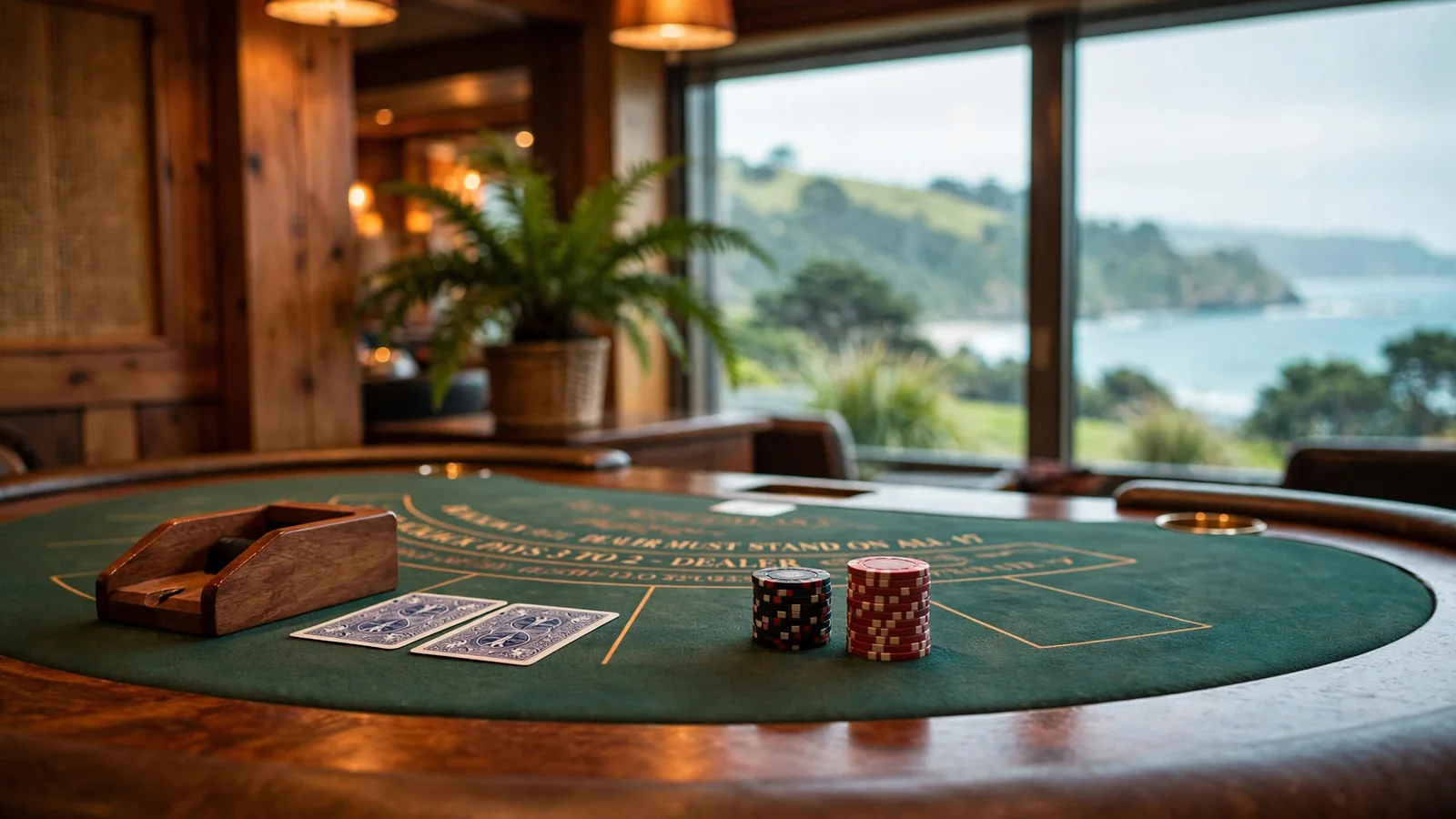
Nor does a simulated balance teach what a stake means in practice. A player may place bets and watch them resolve, but without money at risk the decision has no financial weight. The result can be observed; its emotional and economic consequence cannot be rehearsed into existence. That is the limit of free play, not a defect in it.
The phrase “free spins” can also blur two different ideas. In a practice game, spins are simply part of a no-cost simulation. Promotional free spins, by contrast, may come with conditions attached to an offer. Those conditions belong to the promotion, not to the definition of European Roulette, and a free-play mode should not be mistaken for a bonus that produces withdrawable winnings.
Live European Roulette presents a further distinction. A stream may show a real wheel and a human dealer, but the word “live” describes the presentation, not whether a player is wagering. Whether a free viewing or play mode exists depends on the particular game and platform. A live table played for money is not converted into free play simply because it appears on a screen; the stake still determines the financial character of the session.
Comparisons between variants can clarify what a free game is showing. French Roulette has the same single-zero arrangement as the European wheel, while adding rules including La Partage and En Prison. La Partage belongs specifically to French Roulette. Those rules affect the treatment of certain bets when zero appears, so a no-cost game labelled European Roulette should not be assumed to behave like a French table merely because both wheels have one zero.
Features a single-zero wheel with a standard house edge of 2.70%.
Uses a single-zero layout and may include rules like La Partage and En Prison.
Features a smaller wheel of 13 pockets with a house edge of 7.89% (or 3.85% with La Partage).
Mini Roulette offers a sharper contrast. Its wheel has 13 pockets, and its house edge is 7.89%; with La Partage, that figure falls to 3.85%. The smaller wheel is not simply European Roulette rendered more compact. It is a different variant, and a practice session on it cannot stand in for learning the European game. The label matters.
Free play therefore works best as a view of presentation and routine, not as a substitute for the conditions of wagering. It can make the screen less unfamiliar and expose the broad shape of a variant. It cannot make a financial decision consequence-free once real money is involved, or guarantee that one version’s rules apply to another. A useful rehearsal, with the stakes absent.
One Zero, Two: European and American Roulette Compared
The difference between European and American Roulette is concentrated in a small piece of architecture: the American wheel has an extra pocket. European Roulette has 37 pockets, numbered from 0 to 36. The American wheel has 38, adding a double zero beside the single zero. That extra compartment changes the arithmetic attached to the game, even though the table’s familiar red, black, odd, even and numbered choices may look much the same.
On a European wheel, the single zero is the house’s advantage built into the layout. The standard house edge is 2.70%. On the American wheel, the double zero gives the house a second green pocket, and the edge rises to 5.26%. The difference does not require a new betting system or a special rule to take effect: it is present in the wheel before a spin begins. One pocket, a larger margin.
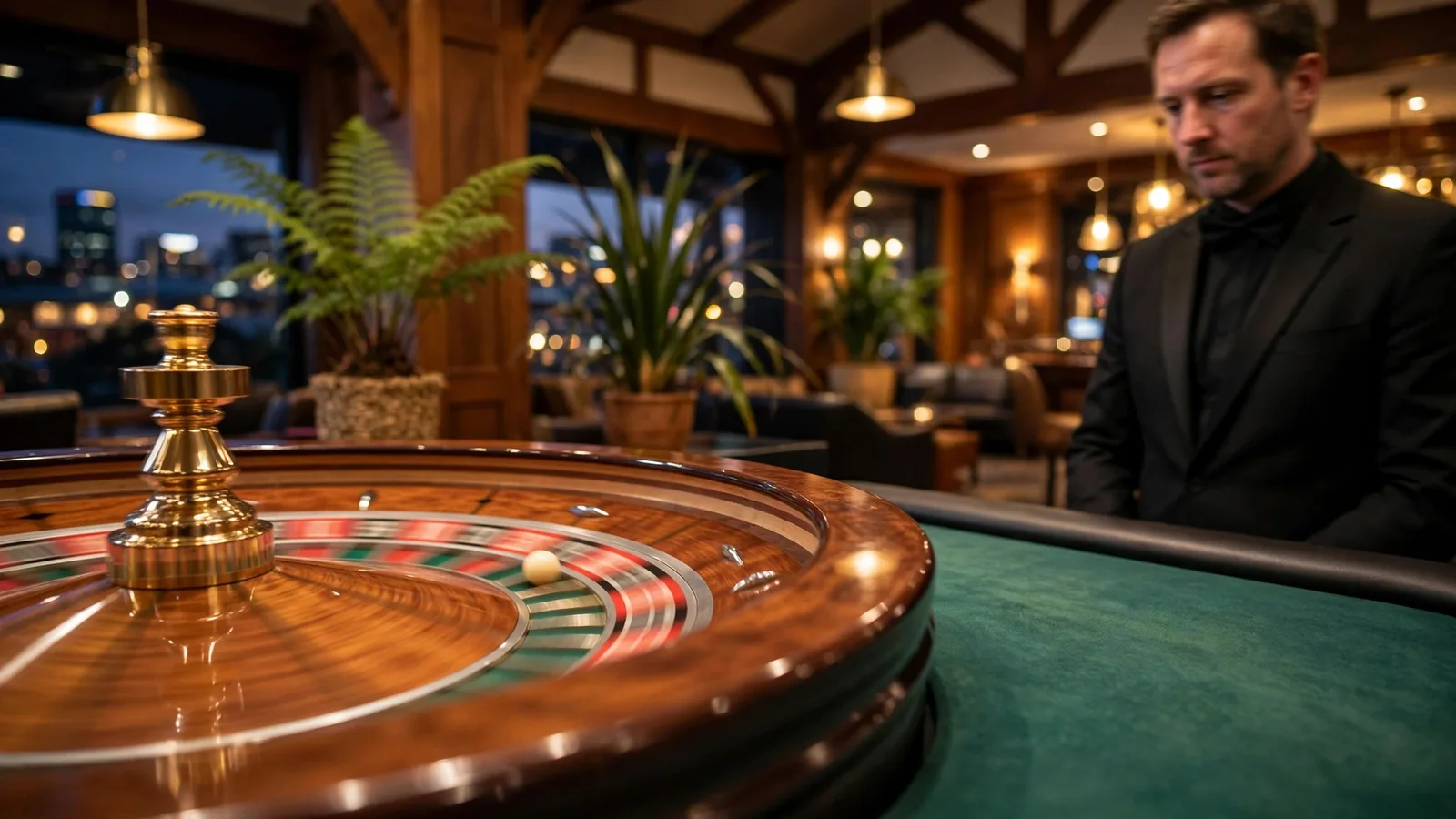
Payout percentages express the same relationship from the player’s side, as a theoretical return over repeated play rather than a promise about an individual session. A specialist review reports a 97.30% payout percentage for European Roulette and 94.70% for American Roulette. Those figures complement the respective house edges: the share not returned in the theoretical calculation is the casino’s expected advantage. They are baseline measures, not predictions of what any particular player will receive.
The second zero is therefore more consequential than its modest appearance suggests. The American wheel distributes the same broad categories of outcomes across a larger set of pockets, but the standard payouts do not rise to compensate for the added chance of landing on zero or double zero. The visual change is slight; the statistical one is not. A green pocket can look like a decorative interruption in a ring of red and black. It is doing more than decorating.
This is why “American versus European” is not merely a matter of presentation or table preference. The layout determines the baseline odds. A player comparing two games with otherwise familiar rules should look first at how many pockets the wheel contains and whether it has one zero or two. The name of a roulette variant tells only part of the story; the pocket arrangement is the part that sets the underlying edge.
House Edge Comparison
European Roulette has a standard house edge of 2.70%, while American Roulette’s double-zero layout increases the edge to 5.26%.
French Roulette can complicate the naming, but not the basic wheel comparison: it uses the same single-zero layout as European Roulette. Its special rules, including La Partage and En Prison, can alter the treatment of eligible even-money outside bets when zero lands. That makes French Roulette distinct in its rules, not in the number of pockets. European and French wheels share the single-zero structure; American Roulette does not.
A free European Roulette game can reproduce that layout without turning a spin into a financial wager. It does not change what distinguishes the American wheel: the extra pocket. Nor does a session on a simulated table demonstrate how a real-money session will unfold. The wheel’s design supplies a fixed mathematical comparison; individual results remain uncertain.
No arrangement makes a real-money bet safe from loss. The double zero gives the American house a wider margin, while the single-zero European layout leaves a smaller one. Anyone playing for money should not risk more than they can afford to lose.
Reading the Table: Bets, Payouts and Wheel Calls
The felt is an accounting surface disguised as a map. Its numbered grid groups choices by arithmetic: single-number squares sit beside lines and blocks that cover several numbers, while the outer edge gathers broader bets such as red or black, odd or even, and low or high. The layout makes the range of wagers visible, but it is not a picture of how the wheel is arranged.
A European roulette table payout chart pairs each marked area with its stated return. A straight-up wager is placed on one number; other inside bets cover a small cluster, while outside bets cover a wider class of outcomes. The wider the selection, the different the listed return. The chart is the useful reference when comparing what a winning selection pays, rather than a promise about what a session will return.
Zero has its own square on the layout. A wager placed directly on zero is treated as a straight-up selection, with its return shown in that line of the pay table. It is not red or black, odd or even, high or low, so those outside selections do not include it. That distinction is easy to miss when the felt looks like a tidy grid. The wheel is less accommodating.

Wheel calls introduce another kind of geography. Some announced bets group numbers by where they sit around the wheel, rather than by the neat rows and columns beneath the chips. A call may therefore bring together pockets that look scattered across the felt. The dealer’s call and the table’s marking or layout identify the selection; reading it as a row or block on the grid can produce the wrong bet.
That difference reflects two organising systems at once. The table sorts numbers for quick placing and settling; a wheel call follows the sequence of pockets around the rim. Neither arrangement is a translation of the other. A player watching a live European roulette game online may see the dealer accept a wheel call, but the relevant grouping remains the wheel’s, not the screen’s rectangular grid. On mobile, where the felt may be compressed, the distinction matters even more: a small display changes the view, not the bet’s definition.
A clear European roulette pay table should make the available selections and their returns legible before a wager is placed. On a physical table, the printed layout does much of that work. In a digital game, the information may sit beside the betting area or in a game panel; its placement can vary, but the stated return belongs to the selection, not to the size or position of the chip.
Play-money tables may show the same familiar grid, and real-money games may present it on a screen or under a live dealer’s camera. The visual grammar remains recognisable, but a displayed table is still only a guide to placing and settling selections. It cannot turn a wheel call into a felt call, or make the two maps coincide.
Two maps, one wheel.
What the Odds Say—and What They Cannot Promise
European Roulette has a standard house edge of 2.70%. That figure describes the casino’s mathematical advantage across repeated play, not a fee taken from each stake or a forecast for a particular visit. A player can finish ahead, lose quickly, or move between the two; the percentage does not prescribe the shape of any one session.

The house edge is easiest to understand as a long-run average. Across a large volume of wagers, the game’s design gives the house an expected return equivalent to 2.70% of the total amount staked. The rest is not a promise that players will receive a fixed share back. Short stretches can depart sharply from that average, because roulette produces individual outcomes rather than a smooth stream of statistically tidy results.
That distinction matters when reading European Roulette odds. They describe the structure of the game, not the timing of wins. The number is useful for comparing the underlying cost of play, but it cannot say when a winning result will arrive or how much a player will have left at the end. Probability is a description of uncertainty, not a timetable.
Each spin is independent. The wheel has no memory of the previous result, and a run of one colour, one side of the table, or one number does not change what can happen next. A result that has appeared repeatedly is not thereby “due” to disappear; one that has been absent has not accumulated a claim on the next spin. The past belongs to the record, not to the mechanism.
This is the point at which the language of odds often gets bent into something more comforting. A sequence may look meaningful because people are excellent at finding patterns, including in random events. But a pattern seen after several spins does not improve the probability of the next outcome. The same applies to a brief streak of wins: it may alter a player’s balance, but it does not alter the wheel’s odds.
Small stakes do not change the mathematical edge either. They change the amount exposed on each wager, and therefore the possible scale of loss, but not the game’s probabilities. The distinction can sound modest; in practice it is the difference between controlling exposure and imagining control over chance.
Attention Probability is a description of uncertainty, not a timetable; a result that has been absent has not accumulated a claim on the next spin.
No single result proves that the game is fair or unfair. A short run is too narrow a view of a process designed to produce varied outcomes. The house edge belongs to the rules as a whole, while any particular session remains subject to variance. That can make a sound statistical explanation feel unsatisfying: it offers no reassurance about what happens next.
There is none. Roulette outcomes are random, and every real-money bet can lose. The 2.70% edge is a long-run feature of standard European Roulette, not a protective boundary around an individual player. The sensible limit is financial rather than predictive: no one should risk more than they can afford to lose.
Online Roulette and the Rules Behind a Fair Table
An online roulette screen can look polished while leaving the important questions in small print. A fair reading begins with the game’s rules, not its animation: which wheel is in use, what happens when zero appears, and whether the stated payouts match the version being offered. Those details make the difference between a recognisable European game and a table whose label tells only part of the story.
Standard European Roulette has a single-zero wheel and a house edge of 2.70%. That figure describes the game’s built-in mathematical advantage over time; it does not predict the result of an individual spin. A clear game description should let the player identify that standard format and see the applicable rules before staking money. If the table offers a special rule, it should be stated as part of the game rather than left to be inferred from a graphic or a familiar name.
French Roulette uses the same single-zero layout, but some French tables apply La Partage to eligible even-money outside bets. When zero lands, half of the stake is returned and the other half is collected. For those bets under that rule, the effective house edge falls to 1.35%, compared with the standard European edge of 2.70%. The reduction is conditional: it concerns eligible even-money bets, not every wager on the table. A French label without La Partage does not establish that the rule applies.

That distinction matters online because the wheel’s appearance cannot show how a zero is settled. The rules screen or game information should identify whether La Partage is active and which bets qualify. A stated return should also be read alongside its conditions. Names can travel more easily than rules do.
Fairness has a technical side as well as a presentational one. The game should identify its variant and make its paytable and settlement rules available; the advertised table should behave according to those terms. A striking interface, live presentation or fast succession of spins is not evidence of better odds. Nor does a displayed history turn past results into a forecast. Every real-money bet can lose, and roulette outcomes remain random.
The New Zealand setting adds a separate question: the legal position of the service is not the same as the fairness of its roulette rules. Online casino regulation is moving through a transition, so promotional language should not be mistaken for proof of domestic oversight. In practical terms, claims about a table are more useful when they can be checked against its actual rules than when they rely on a general assurance about quality.
The distinction is modest, but consequential. A single zero describes the wheel; La Partage describes what happens to a narrow class of bets when that zero appears. Keeping those statements separate is a sounder basis for judging an online table than its presentation. And no rules display changes the central risk: only money that can be lost without hardship belongs at stake.
Roulette Strategies Meet an Unmoved Wheel
A betting system can make roulette feel less like waiting and more like doing. It gives a player a sequence to follow: raise a stake after a loss, lower it after a win, alternate between colours, or keep to one selection until it appears. These patterns organise decisions. They do not organise the wheel.

A European Roulette strategy cannot make one spin answer to another. Each result is independent, so a run of one colour does not make the other colour due, and a number’s recent appearance does not make it more likely to return. The wheel has no memory to exploit. The human mind, unfortunately, is a diligent archivist: it notices streaks and tries to turn them into instructions.
That is why systems such as Martingale can seem persuasive. After a loss, the stake is increased in the hope that a later win will recover what has gone before. But a larger stake changes the amount at risk, not the chance of the next result. A losing sequence can continue, and every real-money bet can lose. The arithmetic of escalation is not a negotiation with chance.
Other tactics—setting a stop point, keeping stakes steady, or deciding in advance when to leave—can govern a player’s conduct. They may prevent an impulsive session from becoming longer or more expensive than intended. Their value is personal and practical, not predictive: they do not improve the wheel’s response or remove the house edge. A boundary can limit exposure. It cannot make a wager safe.
There is no single best European Roulette strategy in the sense often implied by the phrase. Some approaches change the rhythm of play; some change the size or distribution of stakes. None changes the independence of spins. A sequence that feels orderly remains exposed to the same uncertainty as an improvised choice. This is less thrilling than a system’s promise, but more useful.
Calling roulette a European Roulette slot would also blur an important distinction. A slot game may present reels and a programmed sequence of symbols; roulette is built around a wheel and wagers on its outcome. The shared setting of a casino does not make their mechanics interchangeable. Nor does the language of “tactics” turn a random result into a skill contest.
- Set a stop point
- Keep stakes steady
- Decide in advance when to leave
- Rely on the Martingale system
- Assume a colour is “due”
- Imagine control over chance
The sensible limit of strategy is therefore modest. It can shape how a person behaves around uncertainty, not how uncertainty behaves. Anyone wagering real money should not risk more than they can afford to lose. The wheel remains unmoved by confidence, discipline, and carefully named systems alike. A plan can govern the stake. Nothing governs the spin.
Online Casino Gambling in New Zealand: The Regulatory Setting
The rules around online roulette in New Zealand changed in 2026. The Online Casino Gambling Act 2026 came into force on 1 May, establishing the country’s first domestic licensing system for online casino gambling. The transition is deliberately bounded: only providers that were already serving New Zealand customers before that date may continue under transitional provisions, and then only until 1 December 2026.
That interval is not a general invitation to advertise. Online casino operators are prohibited from advertising to people in New Zealand during the transition. Providers that have not applied for a licence must stop offering online casino gambling in the country by 1 December 2026. The complete licensed regime is not expected to be fully operational until 2027; unlicensed operation is expected to become an offence around the middle of that year. Operators without a licence may face enforcement action and fines of up to NZ$5 million.
The Gambling Act 2003 had barred online casinos from being based in New Zealand. Until the 2026 legislation, offshore casino gambling sat outside New Zealand licensing and regulatory supervision, leaving customers without domestic government recourse if a dispute arose. The new framework changes the position by creating a route to domestic authorisation, rather than by making every offshore service a locally licensed one.
Institutional responsibilities are divided. The Department of Internal Affairs is New Zealand’s primary gambling regulator and oversees the online casino licensing framework. The Gambling Commission hears and decides casino licensing applications, issues online casino licences and approves changes to licence conditions. These are related functions, but not interchangeable ones: oversight of the framework rests with the department, while licensing decisions belong to the Commission.
For roulette offered online, including live European Roulette, the relevant question in this changing period is therefore not simply whether a table is labelled European. It is whether the provider’s status fits the transitional rules and, once the regime is operational, the licensing requirements. Licensed operators must also implement stricter age and identity verification systems. That is a regulatory safeguard, not decoration around the game.
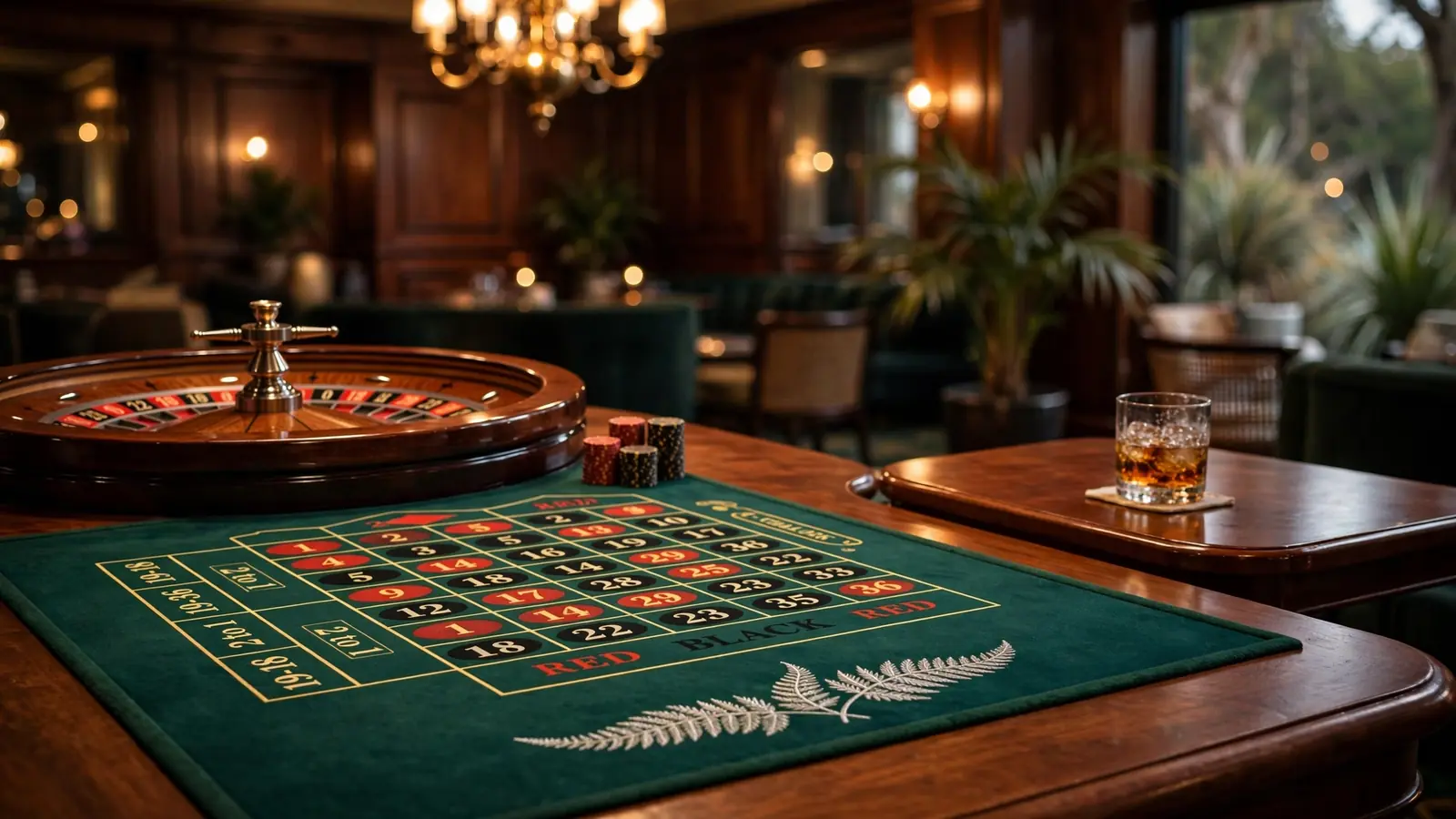
The shift marks a change in how the state supervises a market that had previously operated from beyond its licensing reach. The new system is still being phased in. No instant switch.
How a Spin Works, and What Zero Changes
A European Roulette spin begins with a choice of where to place a stake on the table. A bet may cover a single number or a broader group of outcomes; once betting closes, the wheel turns and the ball settles into a pocket. The result is then matched against the bets on the layout. Winning bets are paid according to their type, while losing stakes are collected. The sequence is simple enough to follow in an app or roulette simulator, though the table’s tidy squares can make the process look more orderly than chance is.
Zero complicates the settlement because it belongs to neither red nor black, odd nor even. On a standard table, an even-money outside bet that loses to zero is collected like any other losing bet. French Roulette may instead apply La Partage or En Prison, but these rules concern only even-money outside bets when zero lands. They do not change the settlement of other bets.
With La Partage, half the stake is returned and the other half goes to the house. The bet is settled immediately; no further spin is involved. It is a small procedural mercy, carefully confined to a particular kind of wager.
En Prison pauses the same eligible bet rather than splitting its stake. The bet is carried forward to the next spin. If that spin produces a result covered by the original bet, the stake is returned, but there are no additional winnings. If the next result is against the bet, the stake is collected. The player is not placing a fresh wager in this process: the original stake remains subject to the unresolved result.
These rules are sometimes mistaken for general protections against zero. They are not. Their effect depends on the table’s stated rules and on the kind of bet placed; a straight-up number bet, for instance, does not qualify. A free-play version can show how settlement unfolds without money changing hands, but it cannot reproduce the consequence of a real stake being returned, held over or lost.
The mechanics do not make a spin predictable. Roulette outcomes are random, and each real-money bet can lose. A clear grasp of settlement is useful; it is not a promise of safety. No stake beyond what can be afforded to lose.
Bonuses, Free Spins and the Conditions Attached
A European roulette bonus is less a gift than a contract written in small print. Eligibility rules determine who can claim it; expiry dates determine how long it remains available; game-contribution terms specify whether roulette play counts towards the wagering requirement, and to what extent. Withdrawal restrictions can affect both bonus funds and winnings linked to them. These conditions matter more than the headline attached to an offer.
A no-deposit offer may sound distinct because it does not begin with a deposit, but the label says little about what follows. The terms still need to be read for eligibility, expiry, qualifying games and withdrawal conditions. If roulette contributes only partly towards wagering, playing it may not clear the requirement at the pace a player expects.
The stated requirements are exact: bonus money must be wagered 50X within 30 days. Winnings from free spins must be wagered 50 times within 7 days. A request to withdraw voids all active or pending bonuses. That last condition can turn an apparent balance into a conditional one; the request itself may end the offer.
Roulette numbers sometimes appear in promotional copy, alongside references to championships or themed events. They are decoration unless the terms explain what action qualifies, which games count and what happens to any resulting funds. A tournament label does not override the bonus rules, and a familiar number on the wheel does not alter them.
In New Zealand, operators may advertise bonuses subject to eligibility, wagering, expiry, game-contribution and withdrawal conditions. During the current transition, however, advertising online casino gambling to people in New Zealand is prohibited. The distinction matters: a set of published terms describes conditions, not an invitation to claim an offer.
The useful comparison is therefore not between a generous-sounding headline and a modest one. It is between the headline and the full conditions attached to it: what must be wagered, by when, on which games, and what a withdrawal request cancels. Fine print has a long memory.
Created by the ”Casino Slots Hub NZ” editorial team.