Casino Software in NZ: Providers, Games and Operators
 Available in US
Casino software covers game design and maintenance, while account services such as deposits and withdrawals belong to the operator.
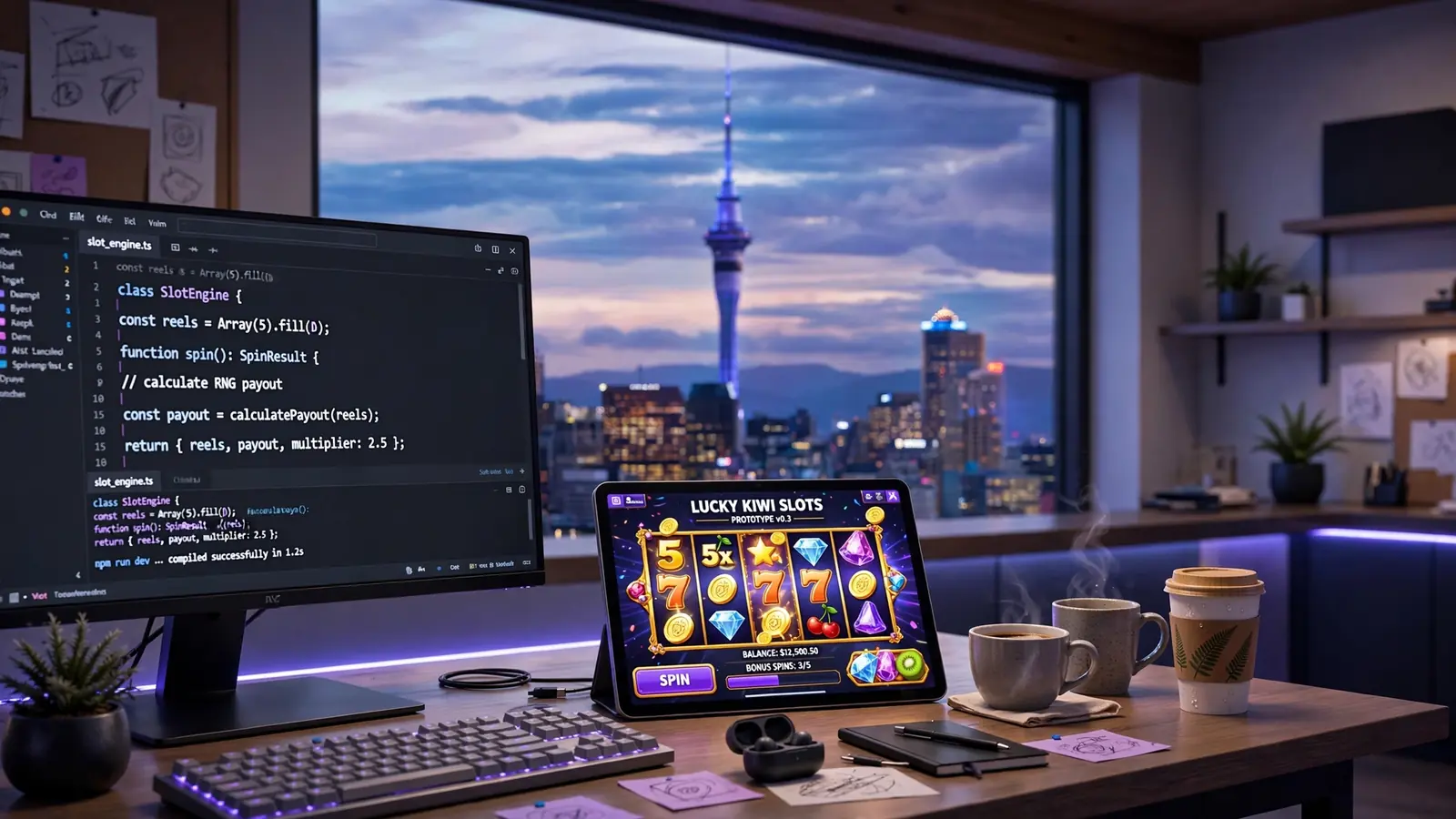
Table of Contents
- What Casino Software Providers Actually Do
- Casino Software in New Zealand’s Regulatory Landscape
- Online Casino Software, Bonuses and the Operator’s Fine Print
- Random Number Generators and What Fairness Can—and Cannot—Show
- How Slot Software Shapes the Game
- Bitcoin Casino Software: Games and Account Responsibilities
- Casino Software Downloads and Device Compatibility
- Casino Software Solutions, Roulette and the Limits of Prediction
- Free and Open-Source Casino Software: What the Facts Establish
- Casino Platforms, Computers and Payment Boundaries
What Casino Software Providers Actually Do
A casino game provider is the company behind the games in an online casino. It creates them and maintains the software that makes them playable. The operator is a different business: it runs the casino account and handles deposits and withdrawals. The distinction is easy to miss in a lobby where games and account services sit side by side. They are not the same job.
Providers shape the experience inside each game. They decide its theme, sounds, symbols and gameplay, and set its return to player, or RTP. Those choices belong to the game, not to the account through which it is accessed. An online casino may bring games from several developers together, so the same lobby can contain work made by different companies.
That is why a search for leading casino software providers is really a search for the makers of the games, rather than the businesses operating casino sites. The phrase “casino software” can sound as though it describes one complete system, from the first click to the final withdrawal. In practice, the provider’s part is the game itself: its creation, upkeep and design decisions. The operator remains responsible for the surrounding account.
Choosing casino software in New Zealand involves looking beyond the page label to the specific details available about each operator. This list offers a concise reference to help you assess what is stated about each option.
Payout speed: 1-3 business days Wintino lists a payout speed of 1–3 business days, giving readers a specific detail to consider.
License: Curaçao Gaming Authority, licence no. OGL/2024/165/0185 BitStarz lists a Curaçao Gaming Authority licence, number OGL/2024/165/0185.
License: Malta Gaming Authority, licence no. MGA/B2C/370/2017 Play Grand lists a Malta Gaming Authority licence, number MGA/B2C/370/2017.
License: Tobique Gaming Commission, licence no. 0000091 7Bit Casino lists a Tobique Gaming Commission licence, number 0000091.
License: Tobique Gaming Commission, licence no. 0000064 Neospin lists a Tobique Gaming Commission licence, number 0000064.
License: Tobique Gaming Commission, licence no. 0000002 Ricky Casino lists a Tobique Gaming Commission licence, number 0000002.
License: 07017519840 · Payout speed: 1-3 business days Zotabet lists licence number 07017519840 and a payout speed of 1–3 business days.
Payout speed: 1-3 business days Lamabet lists a payout speed of 1–3 business days, a concrete detail readers can use when considering the operator.
License: Malta Gaming Authority, licence no. MGA/B2C/394/2017 N1 Casino lists a Malta Gaming Authority licence, number MGA/B2C/394/2017.
The boundary matters especially in crypto casinos, where a game provider may supply and maintain the games while the operator manages player accounts and transactions. A familiar game inside a casino lobby does not, by itself, tell anything about who runs that account. Nor does the provider’s name turn it into the party handling deposits or withdrawals.
This division also explains why a list of game developers is not a list of casino operators. One company makes the room; another opens the doors and keeps the ledger. That sounds simple. It is often obscured by the lobby.
Casino Software in New Zealand’s Regulatory Landscape
The phrase “casino software” can make regulation sound like a matter of code: a system inspected, approved and switched on. New Zealand’s framework is more institutional than that. It separates oversight of gambling from decisions about individual online casino licences, placing those responsibilities with the Department of Internal Affairs and the Gambling Commission.
The Department of Internal Affairs is the country’s primary gambling regulator. In the online casino framework, it oversees the regulatory system within which licensing takes place. That is a broad supervisory role, not the same task as deciding each application. The distinction matters: regulation sets the public structure around an industry, while licensing determines which operators may act within it.
The Gambling Commission handles the licensing decisions. It hears and determines applications for online casino licences, issues licences and approves changes to their conditions. In other words, the Commission is the decision-making body for those formal licensing matters; the Department oversees the wider framework. A platform’s software may be central to the experience offered by an operator, but the licensing structure is concerned with the operator’s authority to provide online casino gambling.

The legal setting has also changed. The Gambling Act 2003 did not permit online casinos to be based in New Zealand. Before the newer legislation, online casino gambling supplied from outside the country was not licensed or supervised by a New Zealand regulator. The Online Casino Gambling Act 2026 created the country’s first domestic licensing regime for online casino gaming and came into force on 1 May 2026.
Its transition is not an instant conversion from an old market to a fully operating new one. Online casinos that were already serving people in New Zealand before that date may continue until 1 December 2026 under the transitional provisions. Providers that have not applied for a licence must cease conducting online casino gambling in New Zealand by then. The full licensed regime is not expected to be operational until 2027.
This makes “best casino software NZ 2026” an awkwardly broad idea. Software quality and regulatory permission are separate questions: a game’s presence on a site does not, by itself, establish the site’s licensing status. Nor does the Department’s oversight mean it issues the licences; that work belongs to the Commission. The structure assigns different jobs to different public bodies, rather than treating technical products as the regulator’s unit of account.
A boundary, not a seal.
Online Casino Software, Bonuses and the Operator’s Fine Print
A casino lobby can make games from different providers appear to belong to one seamless product. The account behind it is a separate matter. The operator runs the casino account and sets the conditions for deposits, bonus offers and withdrawals; game providers supply the games. A bonus therefore belongs to the operator’s offer, not to the company whose game happens to be played.
Bonus offers and their conditions are set by the casino operator, not by the game providers who supply the software.
That distinction matters when promotional language appears beside a game. A provider does not decide whether an operator awards a matched bonus, attaches free spins to an offer or sets a playthrough requirement. Those terms belong to the operator. The game may be the setting in which bonus play occurs, but it is not the source of the bonus.
The offer and the game library
A matched bonus adds promotional credit under conditions set by the operator. A specialist review has described such offers as usable across much of a casino’s game library, but that is a report about an offer, not a standing rule for every casino or promotion. Eligibility can depend on the terms attached to the particular bonus. The game list, exclusions and contribution rates are more useful than a broad description of the lobby.
Free-spin packages are narrower by design: a specialist review has described them as tied to particular game titles. That means a spin offer cannot simply be assumed to work across every game supplied to the casino. The named title and any conditions attached to the spins determine how the promotion functions.
The distinction is easy to miss because the lobby puts games and promotions in the same visual space. But proximity is not responsibility. Providers make the games available; operators decide what their promotional credit can be used for.
Registration, deposits and real-money play
Before real-money wagering, registration is required, and a minimum deposit may be a condition of access at a recommended casino. A specialist review has described that sequence for the casinos it covered; it should not be treated as a universal term applying to every operator. Account registration and deposit conditions are operator matters, not settings built into an individual game.

The account is also where promotional credit and its conditions are presented. A bonus may appear to increase the balance, but that does not make the funds equivalent to withdrawable cash. Playthrough requirements can apply before bonus-related winnings are available for withdrawal. The precise terms govern what counts, which games qualify and what must happen before a withdrawal can be made.
This is the fine print that changes the meaning of a headline offer. A bonus amount, by itself, says little about how it can be used. The relevant conditions are attached to the operator’s promotion, not supplied by the game studio.
Contribution rates are not interchangeable
Game contribution describes how much a wager on a particular game counts toward a bonus playthrough requirement. A specialist review has reported that pokies may count in full, while live-dealer and other table games may count less or be excluded. The same kind of source has reported different contributions among table games, including a higher rate for some roulette games. These are reported terms, not fixed rules across the market.
For a player using bonus cash, the distinction has practical consequences. A game that accepts the bonus may still make little or no progress toward clearing its playthrough requirement. The operator’s terms should be checked for both the requirement itself and the contribution percentage assigned to each game category. Without those details, a visible balance can give a misleading impression of how close the bonus is to being cleared.
- Check playthrough requirements
- Verify game contribution rates
- Review the operator’s specific terms
- Assume bonuses apply to all games
- Rely on a visible balance alone
- Expect providers to set bonus terms
A game’s availability is not proof that it qualifies. Nor does the fact that a game comes from a particular provider establish its contribution rate. The operator’s promotion determines that relationship.
Reading the terms before play
The useful checks are specific: whether the offer is matched credit or free spins; which games are eligible; how each category contributes; and what conditions apply before bonus-related winnings can be withdrawn. A specialist review has advised checking playthrough requirements and contribution rates before using bonus cash. The operator’s own terms remain the place to confirm the conditions for a particular offer, since promotions can differ.
This is also why the label “best casino software” can obscure the decision at hand. A polished game library and a generous-looking bonus describe different parts of the service. The provider supplies the games; the operator controls the account and promotion. Trust in the software alone cannot settle whether a bonus is suitable, because its restrictions sit outside the game.
A casino’s bonus terms are not merely an appendix to the lobby. They decide how promotional funds interact with the games and when winnings can be withdrawn. The small print has the final move.
Random Number Generators and What Fairness Can—and Cannot—Show
Most online casinos use pseudorandom number generators, or PRNGs, to produce game outcomes. The word “pseudo” can sound like a confession, but it describes how the numbers are generated: by software rather than by a physical draw. The result is intended to behave randomly within the game. It is not a promise that a particular player will win, nor a sign that a sequence of losses must soon be balanced by a win.
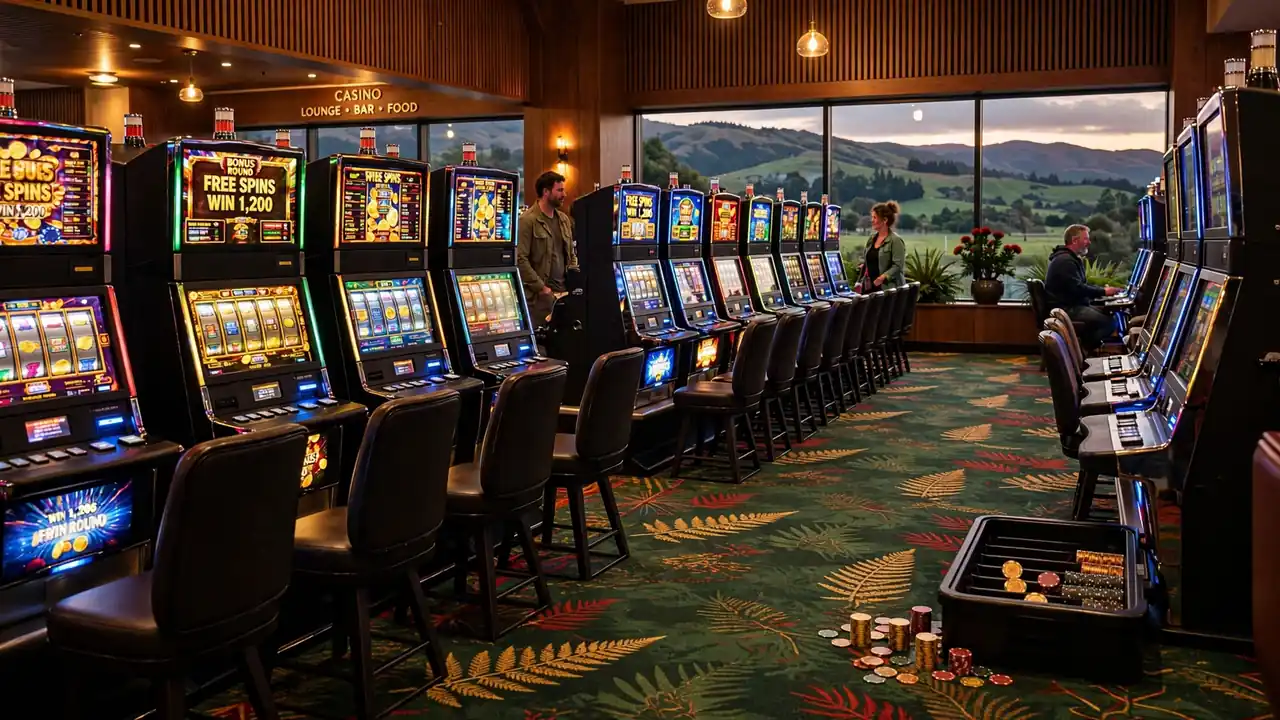
The same underlying principle applies beyond pokies. Software-based table games, including blackjack, roulette and video poker, also operate through random generators. Their rules and appearance differ; the relevant point is that the outcome comes from the game’s generator, not from a player’s sense of timing or a pattern noticed in earlier rounds.
That distinction matters because people are good at finding patterns, even when a sequence offers no reliable clue about what comes next. A run of similar results may look like a signal. In an RNG-driven game, however, changing the size or order of bets does not change the generator’s outcome. A betting strategy can organise how someone wagers; it cannot direct the software to produce a preferred result. No system of staking turns chance into control.
A game’s information screen can help establish which version is being played. A specialist review reports that this information can be checked there. That is a modest but useful form of transparency: it identifies the game version, rather than revealing a way to predict its next result. The distinction is important. Information about a game is not the same as evidence that its outcomes can be forecast, and a version label alone does not settle every question about fairness.
The appeal of casino game software often lies in its presentation: familiar rules made available through a screen, with outcomes delivered by code. Yet visual polish is not a measure of fairness, and a confident claim about “the best” gaming software says little unless it explains what is being assessed. A fair-minded description should separate what can be observed—the game’s information—from what cannot be inferred from a handful of results.
Attention Betting strategies and hacking software cannot alter the outcomes generated by Random Number Generators (RNG).
Claims about casino hacking software deserve the same restraint. A tool or tactic advertised as a way to bend RNG outcomes is not made credible by technical language or a persuasive story. Betting strategies do not alter the outcomes generated by these games. The screen may show what version is running. It does not show a route around chance.
That limit is plain.
How Slot Software Shapes the Game
A slot’s theme is the part designed to be noticed: its setting, symbols, sounds and visual style. Beneath that surface, the software also defines how the game plays and its return-to-player rate, or RTP. These choices belong to the game provider. The casino operator supplies the setting in which the game appears; it does not create the slot’s underlying design.
That distinction matters because the theme can feel personal while the rules remain technical. A game may borrow the look of a story, a place or a familiar cultural motif, but its symbols and gameplay are arranged according to the provider’s design. Sound and animation give those rules a human rhythm: a pause, a flourish, a repeated cue. They make a sequence legible and dramatic, not more predictable.
RTP is a stated property of a game, not a forecast of what will happen in a particular sitting. It describes the game’s designed return over extended play, rather than promising that an individual session will resemble that figure. A slot can therefore have a defined RTP and still produce sharply different short-term experiences. The number describes a design characteristic; it does not read the next result.
The software behind the spectacle also determines how outcomes are generated. Providers of RNG games use Random Number Generator technology for pokies, as well as crash games and table games. Most online casinos use pseudorandom number generators, or PRNGs. In a slot, the visible reels and symbols are the presentation of an outcome generated by the game system. Their movement may suggest a sequence unfolding on screen, but visual drama is not evidence that the software is adapting to a player’s choices.
This is where the phrase “casino algorithm software” can mislead. An algorithm is part of how software carries out its instructions; the presence of one does not mean that a player can discover a pattern and steer the result. The game’s design sets its rules and RTP, while RNG technology generates outcomes. A betting pattern may change the amount staked, but it does not rewrite the slot’s underlying design or make its random outcomes obey a chosen sequence.

The same distinction applies when a casino lobby groups games by theme, provider or style. A shared visual language does not establish that two games have identical gameplay or RTP. Those are properties of each game’s design, not reliable deductions from its artwork or sound. The polished surface is an invitation to play, not a technical specification.
Slot software thus has two faces: the crafted experience of symbols, sound and interaction, and the machinery that determines how the game operates. The first is made to hold attention; the second is governed by the game’s rules and random-generation technology. The distinction is less glamorous than the graphics. It is more useful.
Bitcoin Casino Software: Games and Account Responsibilities
The phrase “bitcoin casino software” can describe two quite different things. One is the software behind the games in an online casino; the other is the machinery of the casino account, where deposits and withdrawals are recorded and managed. In a crypto setting, the distinction matters. A game provider creates and maintains games, while the operator runs the account relationship and handles transactions. Bitcoin in the description does not collapse those roles into one.
Game providers supply the games that appear in a casino lobby. Their work is the playable content: the games are created and maintained by the companies that develop them. The operator, by contrast, manages player accounts, deposits and withdrawals. That remains the useful dividing line whether a casino is described as a bitcoin casino, a crypto casino or simply an online casino.
It is a division of labour, not a guarantee of quality. A game’s appearance in a casino does not mean its provider manages the account, decides how deposits are processed or authorises withdrawals. Those responsibilities sit with the operator. The lobby may present a single, seamless room; behind it are separate businesses with separate jobs.
That distinction is easy to lose in the language of software. “Casino software” sounds like one product, complete from game screen to cashier. In practice, the label may point to the games, while the operator remains responsible for the account and its transactions. A bitcoin-related description does not establish that a game developer supplies a wallet, processes a payment or controls a withdrawal. Those are operator matters.
What bitcoin changes—and what it does not
Bitcoin is a payment-related term, not a description of who made a game. A casino may be presented as serving crypto users, but the game provider’s defined role remains the creation and maintenance of games. The operator remains responsible for accounts and money moving into or out of them. The branding may gather both under one roof; the responsibilities do not.

This is particularly relevant when a casino’s site uses broad labels such as “casino betting software” or “online bitcoin casino software”. Such phrases can make a service sound like a single package. They do not, on their own, identify which company supplies the games or which one manages the account. The more useful question is what each party actually does.
A game provider’s name, where displayed, identifies the company behind the game. It should not be mistaken for the operator’s identity. The operator is the business with which the player account is held and through which deposits and withdrawals are managed. If an issue concerns an account balance or a transaction, the provider–operator distinction points to the relevant responsibility: the operator, not the company that created the game.
The same caution applies to labels such as “top casino software” or “best bitcoin casino software”. A phrase of praise cannot establish that the software company handles payments, nor can it reveal the terms under which an operator manages an account. It may refer only to game supply. The label is broad; the actual duties are not.
The question of software prices
A search for bitcoin casino software prices can blur another boundary: the cost of software to an operator is not the same thing as a player’s deposit or transaction. The distinction between provider and operator does not, by itself, disclose what a particular software arrangement costs. Nor does it establish a standard price for a casino’s games or for an account service.
For a player, the practical point is simpler. A game provider’s commercial arrangement with an operator is separate from the operator’s handling of deposits and withdrawals. A software label cannot be used to infer a player-facing fee, a transaction method or a withdrawal condition. Those belong to the operator’s account terms, not to the game’s title or developer.
This keeps “casino website software” from becoming a catch-all explanation. A website may bring games and account functions together on one screen, but the presence of both does not make them the same service. Game content comes from providers; the operator administers the account and transactions. The interface can make the separation nearly invisible. Responsibility is less so.
For a Kiwi considering a site described as a bitcoin casino, the relevant distinction is not whether the phrase sounds technical or complete. It is whether the operator is clearly identified and whether the account and transaction responsibilities are stated by that operator. The game provider can be relevant to the games themselves, but it is not a substitute for knowing who manages the account.
Bitcoin changes the payment vocabulary. It does not rewrite the provider–operator boundary. A casino game developer supplies and maintains games; the operator manages player accounts, deposits and withdrawals. Behind the software label, that is the essential separation.
Casino Software Downloads and Device Compatibility
A request to download casino software can describe several different things: a game, an app, or a program intended to manage a casino. Those are not interchangeable. In an online casino, games are made and maintained by providers, then made playable through the casino platform. Whether a game works on a particular device is a decision made by its provider.
That boundary matters more than the word “download” suggests. A game may be available inside a casino without the player installing a separate program. Conversely, finding a download labelled as casino software does not establish that it is an official game or that it will work with a particular casino. The name is a poor guide to what the file actually does.
Compatibility is part of game development, not a decorative extra added by the operator. Providers decide which devices their games support and ensure those games can run on online casino platforms. A title’s appearance, sounds, symbols and gameplay belong to its design; the question of whether that design can be used on a phone, tablet or computer belongs to the separate practical work of support. A polished game that cannot run on the device at hand is still a polished game, just out of reach.
The same distinction helps make sense of terms such as “white-label casino software” and “casino management software.” They can suggest a complete product that builds or runs an entire gambling business. The established role described here is narrower: game providers create and maintain games, and make decisions about the devices those games support. That does not, by itself, establish that a provider offers a casino-management package, a white-label platform or a free downloadable product. Labels do not prove a product exists.
For players, the useful question is not simply whether casino software can be downloaded, but what is being downloaded and whether the relevant game supports the device. A casino platform may present games for use without a separate installation; support still depends on the provider’s choices. Before relying on an app or file, its purpose and relationship to the casino platform should be clear. A generic download page cannot settle compatibility for every game.
Compatibility and Downloads
A game’s availability on a specific device is determined by the provider. While a casino platform presents the games, it cannot make an unsupported version compatible by listing it in the lobby.
This is especially relevant when a game behaves differently across devices. The theme and rules may be recognisable while the interface adapts—or the game may not be supported at all. Providers determine the supported devices; a casino’s lobby cannot make an unsupported version compatible by listing it. The distinction is modest, but useful: the platform presents the game, while the provider sets the boundaries of where it can run.
“Free download” also describes a price claim, not a guarantee of safety, compatibility or official status. Without a clearly identified provider and a stated supported device, the phrase offers little practical information. The file may be a game, an app, or something else entirely. Clarity first.
Casino Software Solutions, Roulette and the Limits of Prediction
“Casino software solutions” can mean different things in different conversations. In a game, the phrase may point to the software that makes play possible; in a business pitch, it may suggest a broader package. Neither meaning changes the basic question raised by roulette: what determines the result of a software-based game?
For digital roulette, the relevant mechanism is a random generator. The same principle applies to other software-based table games, including blackjack and video poker. Providers use Random Number Generator technology across table games, as well as slots and crash games. The visual setting may resemble a familiar casino table, but the result in a software-driven version comes from the game’s random generator, not from a wheel that can be read through its appearance.
That distinction matters when software is described as a “solution”. The word can sound as though a product offers control over the game itself. But software powers the game; it does not give a player a reliable way to predict or change an RNG-driven result. A betting plan may determine how someone chooses to wager, yet it cannot alter the generator’s outcome. The arithmetic can be organised. The next result cannot.
The same limit applies to phrases such as turnkey or crypto casino software. They may refer to software arrangements or to games presented in a particular setting, but the label alone says nothing about a roulette result becoming predictable. If the table game is software-based and operates on a random generator, adding a different commercial description does not make that generator answer to a betting system.
Claims about roulette cheating software deserve the same plain scrutiny. A program advertised as a way to foresee or manipulate RNG outcomes would need to overcome the defining role of the generator; a persuasive name or confident sales language does not establish that it can. Nor does repeatedly changing stakes turn a random sequence into a pattern that can be used to command the next result.
This is not a claim that every game or every provider is identical. It is a narrower point about the mechanism described here: software-based table options rely on random generators, and betting strategy does not change an RNG-driven outcome. The distinction between presentation and mechanism is easy to miss. A roulette interface can invite the eye to search for rhythm, repetition or a tell. The software does not owe the eye one.
A casino software solution can supply the machinery of play. It cannot, by that description alone, supply foresight.
Software Limits
Casino software provides the machinery for play but cannot offer a way to predict or manipulate RNG-driven results.
Free and Open-Source Casino Software: What the Facts Establish
“Free” can describe different things. A player may mean games that can be played without staking money; a business may mean software available without a purchase price. Neither meaning, by itself, says who operates a casino or who is responsible for its accounts.
Open-source describes a different distinction: whether software’s source code is made available under terms that permit people to inspect or modify it. That label is not interchangeable with “free of charge”. Nor does it establish that a complete, working casino product exists, or that one is suitable for a particular business. A name attached to a package would not settle those questions either. The licence terms, maintenance arrangements and responsibilities would still matter.
The division between game provider and operator remains clearer than the language used to sell software. A provider creates and maintains games; its games may populate a casino lobby. The operator runs the casino account relationship, including player accounts, deposits and withdrawals. A software package does not erase that boundary. Even where a provider’s games appear on a platform, the provider is not thereby the operator managing the people who use it.
That distinction is useful when assessing claims about free casino software. A collection of games is not automatically an operating casino, and a casino platform is not simply a collection of games. Labels such as “turnkey” may suggest a ready-made arrangement, but the word alone does not specify what is supplied, who maintains it, or who handles the operator’s duties. Those details have to be established separately.
There is a quiet social history in the vocabulary. “Turnkey” borrows the image of a finished shop handed over ready to open; “open source” evokes shared technical work. Both can make a complex undertaking sound simpler than it is. The phrase is not the arrangement.
For New Zealand-facing online casinos, the practical question is therefore not just whether software is advertised as free or open source. It is what role the software serves, who creates and maintains its games, and which company operates the casino and its accounts. The terms are not substitutes for those answers. A free label settles little.
Casino Platforms, Computers and Payment Boundaries
A casino platform is the setting in which games appear, but it is not a single piece of software with one job. Game providers make their games playable on online casino platforms and decide which devices those games support. The operator, by contrast, runs the player account and handles deposits and withdrawals. The lobby brings these separate responsibilities into view: games arrive from providers; account and payment functions belong to the operator.
That distinction matters when “casino software” is used to describe everything on a screen. A game may be supplied by one company, while the platform presenting it and the account used to access it sit under the operator’s responsibility. The name of a provider therefore does not, by itself, explain who processes a deposit or withdrawal. Nor does the device on which a game is available identify who manages the account.
Computer compatibility is another boundary, not a promise that every game works on every machine. Providers decide which devices their games support, so a casino platform may contain games with different compatibility arrangements. The relevant question is whether the particular game is supported on the device in use; “casino computer software” is too broad a label to answer that. A platform’s general presence on a computer does not establish that every title within its lobby supports that computer.
Payment terminology can blur these roles further. Neteller, for instance, belongs to the language of payments, not to the definition of game software. Its appearance in a description or search for casino software cannot establish that a particular operator accepts it, or that it is available for a given account. Those details concern the operator’s deposit and withdrawal arrangements, rather than the provider’s games.
The useful separation is plain, if less marketable than a single all-purpose label. Providers supply games and determine device support. Operators manage accounts and money moving into or out of them. A platform connects the experience without erasing that division. A computer runs what the game supports; it does not decide who holds responsibility for the payment.
How does RNG work in slots at NZ casinos?
Most online casinos use pseudorandom number generators (PRNGs) to produce random game outcomes. You can check which version a slot uses on its game information screen.
Why choose quality casino game providers?
Providers create and maintain the games, shaping their themes, sounds, symbols, gameplay and RTP. They also make sure games work on casino platforms and determine which devices support them.
Can you predict an RNG’s selection of symbols and jackpots?
No. RNG-driven outcomes are random, so you cannot predict which symbols or jackpots will be selected.
How do you beat an RNG?
You cannot change an RNG-driven outcome by following a betting strategy.
Published by the Casino Slots Hub NZ team.