Live roulette in New Zealand: choosing a table
 Available in US
A practical look at operator checks, live-table mechanics, roulette variants and the limits of rankings.
Table of Contents
- Finding a Live Roulette Table Without Mistaking a Ranking for a Guarantee
- The New Zealand Licence Transition, in Dates Rather Than Slogans
- A Roulette Table on a Screen, With a Dealer Still in the Room
- Double-Ball Roulette and the Limits of What a Name Tells Us
- The Video Feed Is Part of the Game
- Strategy Meets the Table Clock
- Free Play, Free Spins, and the Cost of a Live Table
- Automation at a Live Table: Where the Feed Can Still Stumble
- Playing Along With the Dealer’s Betting Window
- European and American Roulette: The House Edge Has Different Arithmetic
Finding a Live Roulette Table Without Mistaking a Ranking for a Guarantee
A ranked list can make a live roulette table look like a settled choice: one site above another, each with a compact verdict. Useful as a comparison, perhaps. But a place on a page is not a licence, and a verdict cannot guarantee how an account, withdrawal or table will work in practice. The more careful task is to separate what can be checked from what is merely presented as attractive.
For Kiwi players considering a live roulette online casino, the first check is who regulates the operator. An offshore site should be overseen by a recognised gambling body, and its stated licence should be verifiable rather than left as a badge in the footer. The regulator’s own records are a better test than a logo or a site’s assurance about itself. A licence is not a promise that every service will run smoothly; it does give the operator an identifiable regulator and a set of obligations.
The Department of Internal Affairs is also a place to confirm an operator’s licence status. That check needs to be understood in New Zealand’s context: there is no Kiwi-specific gambling licence to treat as a universal stamp for offshore roulette. The point is to establish what status an operator actually has, not to assume that any online casino displaying the word “licensed” has domestic approval. Offshore access and domestic regulation are separate matters. A neat badge can blur them.
Choosing a live roulette site in New Zealand calls for checking the details that matter to you, including licensing information and payout timing where available. Use these entries as a starting point and verify current terms before playing.
Payout speed: 1-3 business days Wintino lists a payout speed of 1–3 business days, a useful detail for players considering withdrawal timing.
License: Curaçao Gaming Authority, licence no. OGL/2024/165/0185 BitStarz lists a Curaçao Gaming Authority licence, number OGL/2024/165/0185.
License: Malta Gaming Authority, licence no. MGA/B2C/370/2017 Play Grand lists a Malta Gaming Authority licence, number MGA/B2C/370/2017.
License: Tobique Gaming Commission, licence no. 0000091 7Bit Casino lists a Tobique Gaming Commission licence, number 0000091.
License: Tobique Gaming Commission, licence no. 0000064 Neospin lists a Tobique Gaming Commission licence, number 0000064.
License: Tobique Gaming Commission, licence no. 0000002 Ricky Casino lists a Tobique Gaming Commission licence, number 0000002.
License: 07017519840 · Payout speed: 1-3 business days Zotabet provides the licence identifier 07017519840 and lists a payout speed of 1–3 business days.
Payout speed: 1-3 business days Lamabet lists a payout speed of 1–3 business days, giving readers a stated timeframe to consider.
License: Malta Gaming Authority, licence no. MGA/B2C/394/2017 N1 Casino lists a Malta Gaming Authority licence, number MGA/B2C/394/2017.
Only after that distinction is clear does a comparison of practical details become useful. Payment information is one such detail, but it should be read with its source and date in mind. A specialist review has reported crypto withdrawals clearing in less than an hour, while its stated windows for POLi and e-wallet withdrawals were 24 to 48 hours and for bank transfers five to seven business days. These are reported timings, not a service standard for every operator or transaction. Processing may depend on the operator’s procedures and the payment method involved; a figure on a review page should not be mistaken for a guarantee attached to a live roulette table.
The same caution applies to method names. Neteller, Skrill and Bitcoin have been described in specialist reviews as options for quick deposits or withdrawals, but their availability does not settle whether they suit a particular account. Limits and fees may apply. A payment method can be fast at one stage and less useful at another, so the deposit route alone says little about how promptly a withdrawal will reach its destination.
Currency deserves its own line in the comparison. Many operators accept deposits and withdrawals in New Zealand dollars, which can make account figures easier to read without converting every balance. “Many” is not “all”, however. The payment page should show which currencies the operator supports and whether the chosen method carries a fee or a restriction. A currency symbol beside a balance is not a substitute for checking the terms attached to moving money.

The phrase “best live roulette” tends to flatten these distinctions into a single winner. In reality, the best fit depends on which facts are verifiable: who regulates the site, what its licence covers, which payment routes it offers and what conditions govern withdrawals. A large selection of tables or a polished presentation may be part of an operator’s appeal, but neither answers those questions. Nor does a favourable ranking, even when it gives a concise account of several sites.
Claims about exclusive tables or unusually high-multiplier roulette deserve the same measured reading. A label can describe a product, but it does not establish who supervises the operator or what happens when a payment is requested. The practical test is not whether a page sounds distinctive. It is whether the operator’s identity, regulatory status and payment conditions can be checked independently.
There is no special trick in the assessment. It is a matter of keeping separate the claims that are often bundled together: reputation, licensing, game presentation and cash movement. A ranking can help organise comparisons, but it cannot turn those separate questions into one answer. The paperwork remains less glamorous than the wheel. It is also more useful.
Verifying an Operator
- Check if the operator is overseen by a recognised gambling body
- Verify the stated licence independently through the regulator’s records
- Confirm the operator’s licence status via the Department of Internal Affairs
- Check the payment page for supported currencies and associated fees
The New Zealand Licence Transition, in Dates Rather Than Slogans
The legal position of live roulette in New Zealand in 2026 depends on which side of a date the table is being viewed from. The Online Casino Gambling Act 2026 took effect on 1 May, establishing the country’s first domestic licensing framework for online casino gambling. It did not make every offshore table disappear overnight. Instead, the law set out a transition, with existing services treated differently from the future licensed market.
Before the Act, online casinos operating from overseas were not licensed or supervised by a New Zealand regulator. The Gambling Act 2003 barred online casinos from being based domestically, but it did not prohibit people in New Zealand from accessing offshore platforms. That distinction matters: a casino could be available to Kiwi players without holding a local online casino licence, because no such domestic licensing system existed.
A player’s access and an operator’s regulatory status were therefore not the same question. During that earlier period, offshore online casino gambling sat outside New Zealand regulatory oversight, and a customer who wagered through an offshore website had no domestic government recourse. The absence of a local licence was not a special New Zealand licence category; it reflected the absence of a local framework altogether.
There is no separate Kiwi-specific licence for roulette, or for live casino tables. Under the new regime, live dealer tables fall within the same online casino licence category as online pokies and digital table games. The law sets a ceiling of 15 licences for the online casino sector. It treats the live table as part of the wider casino business, rather than creating a regulatory island for a dealer, wheel and camera.

The transition began on 1 May 2026 and runs to 1 December 2026. Online casinos that were already serving people in New Zealand before the Act commenced may continue operating during that interval, subject to the Act’s transitional provisions. This is a bridge between the unlicensed offshore environment and a domestic licensing system, not a declaration that every provider operating during the bridge has already been approved.
From 1 December, the permitted market changes: accepting New Zealand players under the new rules is restricted to the 15 operators approved for licences. The date marks the end of the general transitional permission for earlier providers, not an extension of that permission to every site that once served the country. Providers that have not applied must stop serving Kiwi players then. Where an application is pending, a provider may continue operating without advertising until the Department of Internal Affairs reaches a decision; if an application is declined, the provider must leave the market.
That distinction makes “available” a slippery word. A roulette live casino table may remain technically reachable during a transitional period, but reachability does not itself establish that its operator has a licence, or that the operator will be entitled to serve New Zealand players after the transition. Nor does a future licence convert the old offshore arrangement into a locally supervised one retroactively. Dates do the work slogans tend to avoid.
- Note the 1 May 2026 start of the domestic licensing framework
- Distinguish between current reachability and official licensed status
- Identify if a provider has a pending application with the Department of Internal Affairs
- Assume any site displaying “licensed” has domestic New Zealand approval
- Mistake the December transitional end for a universal license extension
- Confuse the December market change with the mid-2027 enforcement milestone
The new framework also takes time to become fully operational. The complete licensed online casino regime is not expected to be in place until 2027, even though the Act and its transition have already supplied key dates. Unlicensed operation is expected to become an offence around mid-2027. That later enforcement milestone should not be confused with the December market change: the transition’s end determines who may continue accepting players under the new rules, while the later point concerns the expected offence for unlicensed operation.
For live roulette online, then, the regulatory story is not simply “legal” or “illegal.” Offshore access has not been prohibited for players, while the rules for providers move from an era without domestic licensing to a capped licensing system. The Act places live dealer games inside that system, alongside other online casino products. The wheel may look unchanged on screen. The legal ground beneath the table is not.
A Roulette Table on a Screen, With a Dealer Still in the Room
For Kiwi players, live roulette online means joining a dealer-led game through an international or offshore gambling site. The screen carries the table into the home; the dealer remains part of the proceedings. This is not simply a roulette program dressed up with a human face. Live dealer games use a video feed through which players can interact with professional dealers as play unfolds.
That distinction changes the texture of the game. In a digital version, the action is generated and displayed by software. At a live table, the dealer is visible and present in the game’s rhythm, while players follow through the broadcast. The screen is a window on a shared event, even when everyone watching is somewhere else.
It is a modern arrangement with an old social shape. Games of chance have long gathered people around a table, where attention, ritual and the small movements of a dealer give each round its form. Online, the gathering is dispersed, but the dealer provides a point of focus. A player is not sitting in the same room as the table; still, the table is not only an icon on a screen.

The international setting matters. New Zealand players are free to play live dealer games at offshore or international gambling sites, so access does not depend on the game being hosted domestically. The experience may be presented to a Kiwi audience from elsewhere, with the dealer and table forming the immediate setting while the player joins remotely. Geography recedes from view, though it has not vanished.
That separation can make “live” sound more intimate than it is. A dealer may be visible and interaction may be possible, but the relationship is mediated by a screen and the service is provided through a gambling site. The human presence belongs to the game’s format; it does not turn the online table into a local venue.
Roulette also suits this format because its central action is easy to follow at a distance: a dealer-led table, a wheel in the live-game setting, and a sequence of play carried to the screen. The atmosphere is part of the appeal, but it should not be confused with a different kind of game. It remains roulette, presented through a live dealer rather than as a purely digital display.
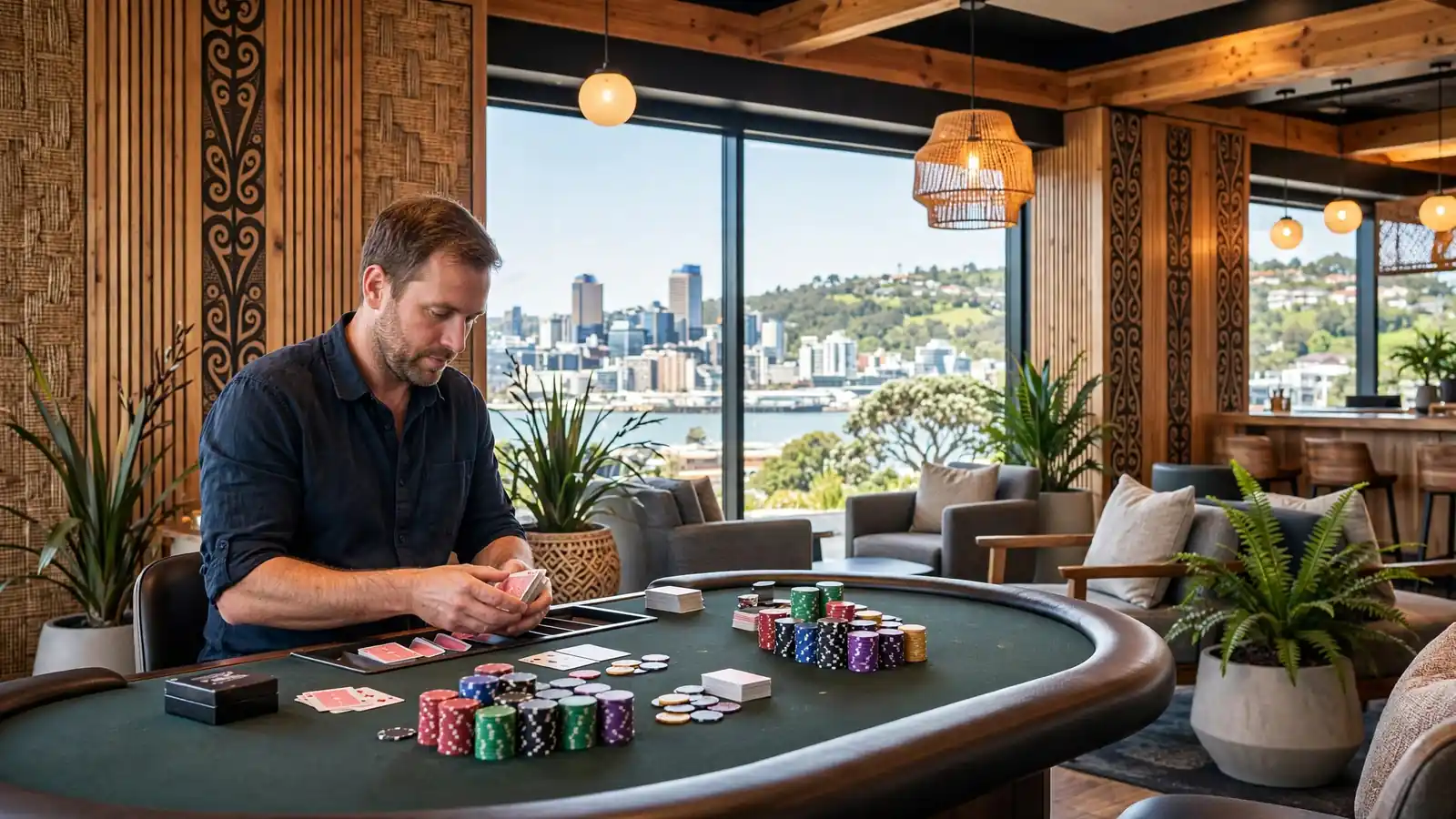
For some players, that distinction is the point. The dealer gives the session a visible centre and a sense of company; for others, the additional human presence may matter less than the game itself. Neither response changes what the format offers: a remote way to take part in dealer-led play, with professional dealers appearing through live video.
The screen brings the room close. Not the room itself.
Double-Ball Roulette and the Limits of What a Name Tells Us
“Double-ball roulette” sounds like a complete description. It is not. The phrase suggests a table with two balls, but a title alone cannot establish how a particular game works: what counts as a result, how bets are settled, or whether the format differs from standard roulette in any other way. Those details belong to the rules of the specific table, not to the confidence of its label.
The physical point is firmer. Live dealer games use real wheels, as well as real cards in games that require them, with professional studios supporting the table. A live dealer roulette game is therefore not simply a digital animation dressed in a dealer’s voice. The wheel is a piece of equipment, and the dealer is part of the game being presented.

That distinction matters when a format name implies an unusual table. A real wheel confirms that the game has a physical roulette setup; it does not, by itself, verify a special double-ball procedure. Nor does the phrase “live double-ball roulette” settle whether the name refers to a particular set of rules, a variation in presentation, or merely wording used to describe a table. The answer depends on the table’s own stated rules.
Names have a way of doing more work than they can support. “Live” describes the kind of dealer-led game being offered, while “double-ball” appears to promise a particular feature. But without clear rules attached, the latter remains an invitation to inspect, not a reliable explanation. A label is not a rulebook.
This is where the tabletop nature of live roulette is useful, but only up to a point. The wheel and dealer make the game tangible: there is a real object in motion and a person conducting the round. Yet tangibility should not be confused with transparency. Seeing a wheel does not explain every condition governing a named variant, any more than seeing a card table reveals the rules of every game played on it.
The same caution applies to payment language attached to a table search. A phrase such as “pay by phone bill” says nothing about the wheel, the dealer, or the mechanics of roulette. It concerns a possible payment route, and the wording alone cannot establish whether a particular casino accepts it. Table format and payment method are separate matters, however closely they sit together on a page.
For Kiwi players comparing live dealer roulette options, the meaningful distinction is between what is physically evident and what requires the rules to confirm it. A real wheel is part of the live-dealer setup. A special double-ball mechanic cannot be inferred safely from its name alone. The game’s written explanation has to do that work.
There is no need to treat the label as proof or as nonsense. It may point toward a genuine variation, but only the table’s rules can say what that variation entails. In roulette, as elsewhere, the name gets the conversation started. It does not settle the terms.
A real wheel confirms the physical setup of a live dealer game, but it does not verify specific rule variations like double-ball mechanics; these must be checked in the table’s written rules.
The Video Feed Is Part of the Game
A live roulette table reaches its audience as a broadcast. The dealer is not an animation attached to a sequence of digital outcomes: the game is streamed from a studio or a casino based in a country, with real-time play taking place against a real dealer. The screen is not a decorative border around the game. It is the means by which the table becomes present to someone playing remotely.
That distinction can sound obvious until it is set beside a purely digital presentation. In an online game generated on a screen, the visual scene belongs to the software. In live roulette, the scene is transmitted from a physical setting where a dealer conducts the game. The experience therefore depends on two things at once: the table itself and the broadcast that carries it. One is not a substitute for the other.
The dealer’s presence gives the game a human point of reference. A spin is not presented only as an abstract result; it takes place within a live session, mediated by video. That does not make the online player physically present at the table. It does make the game a shared event in time: the dealer acts in the broadcast, and the remote player follows through the same moving image.
A studio and a country-based casino are both possible places from which such a feed can originate. The location matters less as scenery than as the setting in which the live game is conducted. The player sees a mediated version of a real table, not an invitation to treat the screen as a window without limits. A broadcast has a source; it also has the ordinary distance between that source and its audience.
This is part of what distinguishes live roulette from a digital table game that merely borrows the look of a casino. The live version is presented through real-time video and a professional dealer, so the performance of the game is not wholly contained in software. The screen connects the two ends, but it does not erase the difference between them. There is a room on one side and a remote player on the other.
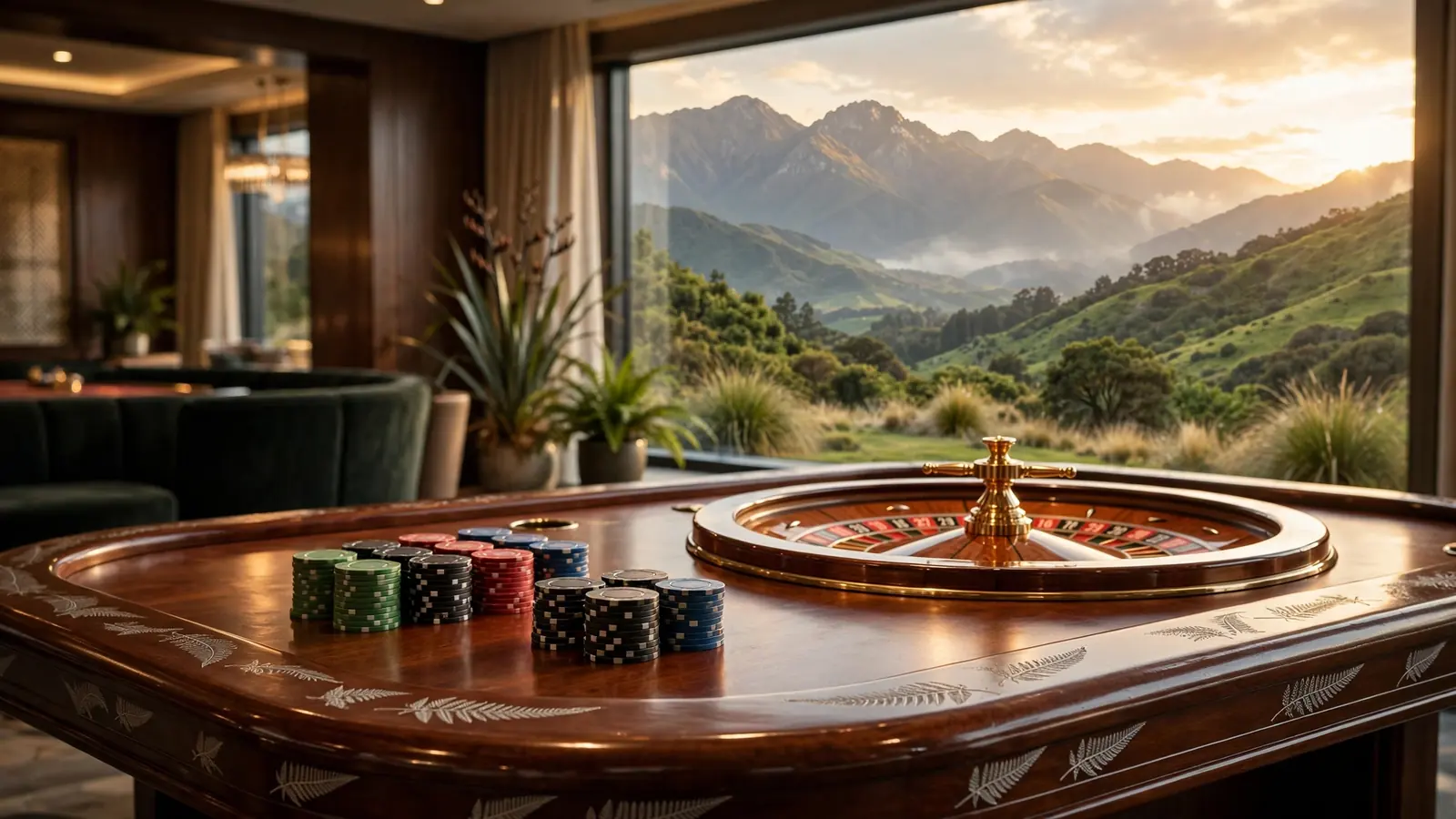
The arrangement also places the dealer at the centre of the experience in a way that a static interface cannot. The dealer is not simply an image added after the game has been designed; the dealer conducts the live session that the video carries. That human presence is why a broadcast can feel more like watching a table than operating a menu. It remains an online game, but its form is borrowed from a room with people in it.
“Live” describes the timing and source of the presentation, not a promise that every part of the experience will feel immediate or intimate. The feed makes a real dealer’s game available at a distance. Distance remains.
Strategy Meets the Table Clock
At a live roulette table, strategy has to fit inside a practical constraint: the betting window closes. Most live games allow only a limited period for placing bets, so the pace is quicker than an open-ended study of the wheel might suggest. A plan that exists only after several minutes of consideration is not much use at the table.
That does not make speed a strategy in itself. The wheel does not reward a hurried decision, and a shorter window does not make one selection more likely to win. It changes the conditions in which choices are made, not roulette’s underlying odds. The distinction is plain, though much of the language around betting systems prefers to blur it.
A useful live online roulette strategy is therefore less a forecast than a way of limiting indecision. Before a round begins, a player can settle on the kind of bet they intend to make and the amount they are prepared to risk. Once the window opens, the task is to carry out that choice rather than invent a new theory while the dealer waits. No system can turn that preparation into a guarantee.
The table clock also exposes a familiar weakness in strategy writing: elaborate plans often assume unlimited time. In a live session, there is no obligation to chase every possible pattern or revise a decision at the last moment. A simple approach may be easier to follow under pressure precisely because it asks less of the player in the few moments available.
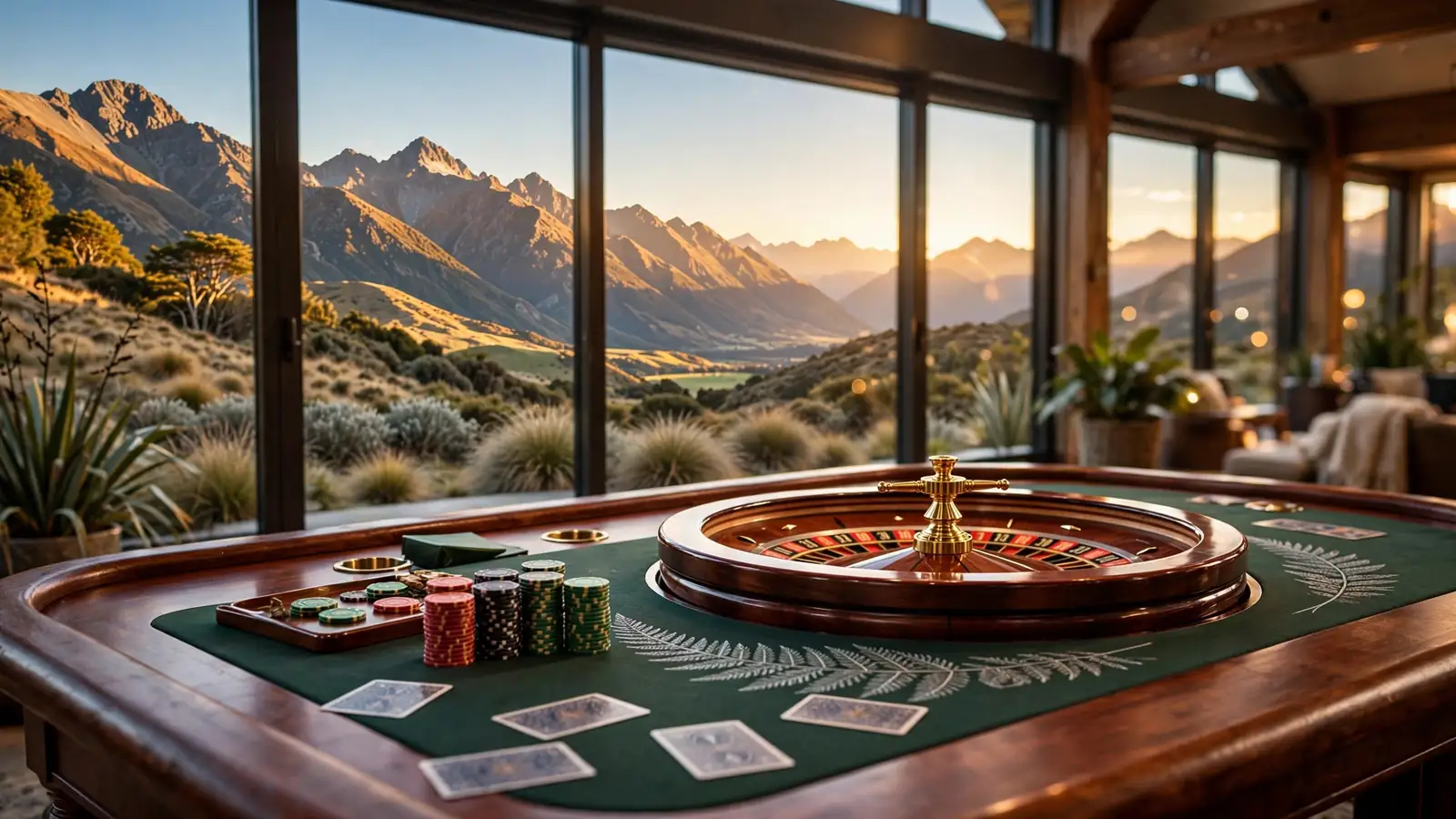
“Instant live roulette” suggests immediacy, but immediacy is not the same as control. The live format moves through rounds at a set pace, and the betting period is part of that rhythm. Players who prefer prolonged analysis may find the format less suited to them; those who value a clear, bounded decision may find the constraint easier to work with.
There is a social detail here. A live table is organised around a dealer and a shared sequence, not around one player’s private timetable. The window closes because the round must proceed. Strategy has to meet that clock, not pretend it can stop it.
A sensible live roulette strategy can help keep decisions consistent, but it cannot remove chance or promise a return. Its modest purpose is to make the player’s choices deliberate before the moment becomes brief. Then the wheel turns.
Free Play, Free Spins, and the Cost of a Live Table
The idea of trying live roulette without paying for a wager sounds straightforward. A free-play version could let someone watch the table, learn its rhythm and see how bets are presented before risking money. Yet a live dealer table is not simply a digital roulette game with its price switched off. It is a staffed operation, and that changes what “free” can mean.
Casinos typically do not make live dealer games available for free play. Keeping a live table running carries significant costs: people, equipment and the studio all have to be in place whether a player is wagering or only observing. A digital game can be presented without that same live operation. The distinction is less about roulette’s rules than about the work required to stage the game.
That is why a free live roulette game may be harder to find than a free version of a purely digital title. The phrase suggests a complete table experience at no cost, but the live format depends on an ongoing production. In practice, free access should not be assumed simply because a site offers other games without a wager.
Attention Live dealer tables are staffed operations with significant costs, meaning they are typically not available for free play, unlike purely digital roulette games.
Free spins belong to a different vocabulary. They are associated with games that use spins as their basic action; roulette instead asks for a wager on an outcome. A phrase such as “live roulette with free spins” can therefore blur two separate ideas: promotional language attached to a casino, and the actual mechanics of a roulette table. It does not establish that the live table itself can be played for free.
The same caution applies to a free bet. It may sound like a way into a live table without ordinary payment, but the wording alone says nothing about whether a particular offer applies to roulette, whether it can be used on a live game, or what conditions accompany it. Those details depend on the offer, not on the name of the game. No broad promise follows from the phrase.
This makes the economics visible in an unexpectedly small corner of casino language. “Free” seems to describe a player’s cost, while the live table still has a cost of its own. The dealer does not become a digital animation merely because a wager is absent. There is a production to maintain.
Free play may still exist in other casino formats, but it should not be treated as a standard feature of live roulette. Nor should free-spin wording be read as evidence that a live table is available without a wager. The distinction is plain, if less tempting than the offer.

Automation at a Live Table: Where the Feed Can Still Stumble
“Auto” can mean different things at a roulette table. It may suggest that the software makes decisions or places bets without interruption; a live dealer game, however, is not simply a sequence of digital outcomes running on its own. The action depends on a real table and a live presentation. Automation in the interface, if offered, would not make the physical game frictionless.
That distinction matters when considering automatic betting. The label alone does not establish that a particular table has such a feature, or explain what it would do. A setting that repeats a choice is not the same as a system that plays roulette independently. Nor can automation remove the human and technical elements on which a live game depends.
A specialist review has reported that live dealer games can encounter technical problems from time to time. That is a qualified warning, not a claim that every table is unreliable or that an interruption is inevitable. It does mean that “live roulette auto” should not be read as a promise of uninterrupted play. A streamed game can still stumble.
When a technical problem affects a session, the practical question is what the operator says about the interruption and any bets already in progress. Those details belong to the individual table’s rules and the operator’s terms; the word “auto” does not settle them. It is also unwise to assume that an automated setting will continue operating through a disruption, or that it will handle an unsettled round in a particular way.
There is a small irony in the expectation that automation should remove uncertainty from a game built around a spinning wheel. At a live table, it can only shape the player’s interaction with the interface. It cannot turn the dealer, wheel and broadcast into a machine that never falters.
Technical Interruptions
Since live roulette depends on a streamed feed from a studio or casino, technical problems can occur. The resolution of unsettled rounds depends on the individual operator’s terms and the table’s stated procedures.
The useful distinction is modest but important: automation may describe a control, while the game itself remains live. Technical problems are possible, and the precise response depends on the table’s stated procedures. No button can make that uncertainty disappear.
Playing Along With the Dealer’s Betting Window
A live roulette session begins with a video feed and a dealer on screen. The format allows players to interact with professional dealers, while the table’s betting window gives each round a defined pace. It is less like studying a board at leisure and more like joining a conversation that has already begun.
During the open window, players place their bets through the game interface. The window does not remain available indefinitely: live games generally give players a limited period to act. Once that interval ends, the round moves on, so the sequence has a practical order—watch the table, make a selection while betting is open, then wait for the next opportunity.
That timing is part of the format, not a strategy. A live table asks for decisions within its own rhythm; it does not provide an unlimited pause for reconsideration. The dealer’s presence makes the process feel social, but the clock belongs to the game.
The video feed also distinguishes live play from a purely digital presentation. The dealer supplies the real-time setting, and the betting window connects the player’s interface to the pace of the table. Interaction with a professional dealer may be part of the session, though it does not change the basic requirement to place a bet before the window closes.
For someone learning how to play live roulette, the useful outline is therefore simple: enter a dealer-led session, follow the round on screen, and use the available betting period to make a choice. The exact layout can vary between games, but the constraint remains familiar across live formats: decisions must fit the window provided.
That is the whole choreography. The dealer, the screen, the clock.

European and American Roulette: The House Edge Has Different Arithmetic
A live roulette table can look much the same from one format to another: a wheel, a dealer and bets placed before the round begins. The important difference is less theatrical. European and American roulette carry different house-edge figures, so the format changes the mathematical terms of play even when the screen gives them equal ceremony.
For live European roulette, the house edge is usually around 2.7%. For American roulette, it is around 5.26%. The house edge describes the casino’s built-in advantage over time, not a forecast of what will happen in any single round. A player may win or lose in the short term; the percentage is about the game’s underlying arithmetic over repeated play.
That distinction is easy to miss because the table itself remains the focus. A dealer spins, the ball settles, and the outcome appears immediate and personal. The edge is less visible. It belongs to the structure of the game, not to the dealer’s manner or the speed of the broadcast.
The gap between the two figures makes the format a more consequential choice than its label might suggest. “Roulette” is not one uniform mathematical arrangement. A live roulette game may be presented with the intimacy of a shared table, but that atmosphere does not soften the edge attached to its version. The European figure is lower; the American figure is higher. Neither statement predicts an individual result, but together they show why the name of the format deserves attention.
There is a familiar human tendency to treat visible action as the whole event. The wheel turns; the number arrives; the story seems complete. Yet roulette’s arithmetic is settled before the ball moves. A live dealer adds presence, not a change to the house edge.
For anyone comparing live roulette games, the clearest distinction supported by these figures is therefore not style or spectacle, but the cost built into the format. European roulette has the lower stated edge. American roulette has the higher one.
The wheel is impartial. The arithmetic is not.
Can New Zealand players play real-money live dealer games at offshore casino sites?
Yes, New Zealand players can access offshore gambling sites and play live dealer games. Check that the operator is regulated by a recognised gambling body and confirm its licence status with the Department of Internal Affairs.
Do live dealer games have a house edge?
Yes. Live European roulette usually has a house edge of around 2.7%, while American roulette is around 5.26%; in baccarat, it is around 1.06% on banker bets and 1.24% on player bets.
Can players deposit and withdraw using New Zealand dollars at live casinos?
Yes, many operators support deposits and withdrawals in New Zealand dollars. Check the casino’s payment information for supported currencies, fees and restrictions.
What is a live casino dealer?
A live casino dealer is a professional who runs a real table game, such as roulette, in a studio or casino. Players follow the game through a live video feed and can interact with the dealer.
Created by the ”Casino Slots Hub NZ” editorial team.